by
by 

Understanding how cloud technology is shaping the modern digital world
📌 Table of Contents
Introduction
Cloud computing has become a powerful and essential part of modern technology. cloud computing refers to the delivery of computing services such as storage, servers, databases, networking, and software over the internet. Instead of storing data on a personal computer or local server, users can access it through cloud platforms from anywhere in the world.
Popular services like Google Drive, Dropbox, and OneDrive are widely used examples of cloud computing. These platforms allow users to save files, share documents, and collaborate in real time. Cloud computing is not only useful for individuals but also plays a major role in businesses, education, healthcare, and government sectors.
While cloud computing offers many advantages such as flexibility and cost savings, it also comes with certain challenges that users must understand before fully relying on it.
✅ Benefits of Cloud Computing

1. Cost Efficiency
One of the biggest advantages of cloud computing is cost reduction. Users do not need to invest in expensive hardware, software, or maintenance. Cloud services operate on a pay-as-you-go model, meaning users only pay for what they use. This is especially beneficial for startups and small businesses with limited budgets.
2. Accessibility and Flexibility
Cloud computing allows users to access their data anytime and from any location using an internet connection. Whether you are at home, in the office, or traveling, your files and applications are always available. This flexibility has made remote work and online learning much easier.
3. Data Backup and Recovery
Data loss can be a major problem for individuals and organizations. Cloud platforms automatically back up data, ensuring that it is safe and secure. In case of accidental deletion, system failure, or cyberattacks, users can quickly recover their information.
4. Scalability
Cloud computing offers excellent scalability. Users can easily increase or decrease their storage capacity and services depending on their needs. This flexibility helps businesses grow without worrying about infrastructure limitations.
5. Collaboration and Teamwork
Cloud computing makes collaboration simple and efficient. Multiple users can work on the same file simultaneously, edit documents, and share updates in real time. This improves productivity and enhances teamwork, especially in organizations with remote employees.
6. Automatic Updates and Maintenance
Cloud service providers handle system updates and maintenance automatically. Users do not need to worry about installing updates or managing software, as everything is handled by the provider. This ensures better performance and security.
⚠️ Challenges of Cloud Computing
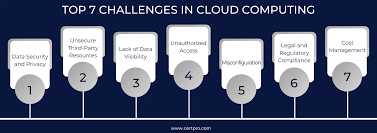
1. Security and Cyber Threats
One of the major concerns of cloud computing is security. Since data is stored online, it can be vulnerable to hacking, data breaches, and cyberattacks. Users must choose reliable service providers and use strong passwords and encryption to protect their data.
2. Internet Dependency
Cloud computing completely depends on internet connectivity. Without a stable and fast internet connection, users may face difficulties accessing their data or applications. This can be a challenge in areas with poor network infrastructure.
3. Limited Control
Users have less control over their data because it is stored on remote servers managed by third-party providers. This can be a concern for organizations that require strict data control and management.
4. Downtime Issues
Cloud services may sometimes experience downtime due to technical issues, maintenance, or server failures. During such periods, users may not be able to access their data, which can affect productivity and business operations.
5. Data Privacy Concerns
Storing sensitive data on external servers raises privacy concerns. Users may not always know where their data is stored or how it is being handled. This makes it important to carefully read privacy policies before choosing a cloud service.
6. Migration and Compatibility Issues
Moving data and applications from traditional systems to the cloud can be complex and time-consuming. It may also require technical expertise and proper planning to avoid compatibility issues.
🔹 Conclusion
Cloud computing has transformed the way we use technology by providing flexible, scalable, and cost-effective solutions. It has made data storage, sharing, and collaboration easier than ever before. From individuals to large organizations, everyone is benefiting from cloud technology in different ways.
However, challenges such as security risks, internet dependency, and privacy concerns cannot be ignored. To make the best use of cloud computing, users must take proper precautions, choose trusted providers, and follow safe online practices.
Overall, cloud computing is a powerful innovation that continues to shape the future of technology, and its importance will only grow in the coming years.